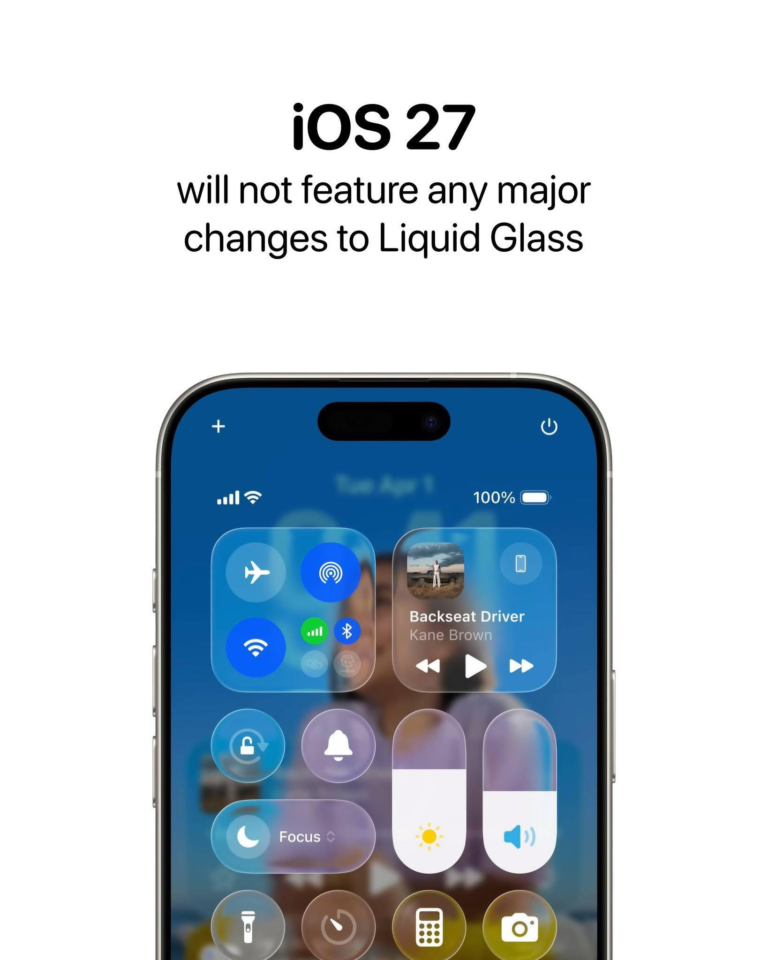
The Ecosystem of Apple iPhone

In the realm of smartphones, Apple’s iPhone ecosystem stands out as a comprehensive and tightly – integrated environment that offers users a seamless and highly functional experience.
Hardware Synergy
Apple’s hardware design is a cornerstone of its ecosystem. iPhones are crafted with precision, featuring high – quality materials and advanced manufacturing techniques. The integration with other Apple devices like the Apple Watch, AirPods, and iPad is remarkable. For instance, the Apple Watch can be paired with an iPhone effortlessly. It not only shows notifications from the iPhone but also enables features such as answering calls and replying to messages directly from the watch, providing a convenient hands – free experience.
AirPods, when used with an iPhone, offer an automatic connection experience. As soon as you open the AirPods case near your iPhone, they are ready to be paired, and the audio quality is optimized for the iPhone’s audio output. The iPad, on the other hand, shares the same iCloud account with the iPhone. This means that files, photos, and notes can be easily synced across devices. For example, if you start editing a document on your iPhone, you can seamlessly continue working on it from your iPad.
Software Integration
iOS, the operating system of the iPhone, is designed to work in harmony with all aspects of the ecosystem. The App Store, exclusive to iOS devices, curates a vast collection of high – quality apps. Apple has strict guidelines for app developers, ensuring that apps are not only secure but also provide a consistent user experience.
Moreover, features like iMessage and FaceTime are integral parts of the ecosystem. iMessage allows iPhone users to send messages, photos, and videos to other iOS users for free, with end – to – end encryption. FaceTime enables high – quality video calls between Apple devices, making communication more personal. The Continuity feature in iOS also allows for seamless transitions between devices. For example, you can start browsing a web page on your iPhone and then pick up right where you left off on your Mac, as long as they are all signed in with the same Apple ID.
Services within the Ecosystem
Apple services play a crucial role in enhancing the iPhone ecosystem. iCloud, for example, provides users with cloud storage for their photos, documents, and backups. It also syncs data across all of a user’s Apple devices, ensuring that the user has access to their important information wherever they are. Apple Music offers a vast music library with personalized playlists and recommendations. It can be easily accessed and controlled from an iPhone, and the music playback experience is optimized for the device’s audio capabilities.
Apple Pay is another service that has become increasingly popular. It allows iPhone users to make secure payments at stores, online, and in apps. With the use of Touch ID or Face ID for authentication, Apple Pay provides a convenient and secure way to pay, eliminating the need to carry physical credit cards.
Developer Community
The Apple developer community is a vibrant part of the iPhone ecosystem. Developers are attracted to the platform due to its large user base and the potential for monetization. Apple provides developers with a set of powerful tools, such as Xcode, to create apps for the iPhone. The developer guidelines and the App Store review process ensure that apps meet high standards of quality, security, and usability. This results in a wide range of innovative and useful apps for iPhone users, further enriching the ecosystem.
In conclusion, the iPhone ecosystem is a well – knit fabric of hardware, software, services, and a thriving developer community. It offers users a cohesive, secure, and highly enjoyable experience, making Apple’s products not just individual devices but an integrated part of their digital lives.